
Nikon D500: The Best Crop-Sensor DSLR for Wildlife and Sports Photographers?
The Nikon D500 remains a standout APS-C (DX) DSLR in Nikon’s lineup, especially for photographers who need speed, autofocus reliability, and durable build quality — qualities that matter most in wildlife and sports photography. Below is a clear rundown of the D500’s key specifications, how it compares to the two other Nikon models I have previously owned (D3300 and D7200), and why buying second-hand can be a smart, cost-effective choice.
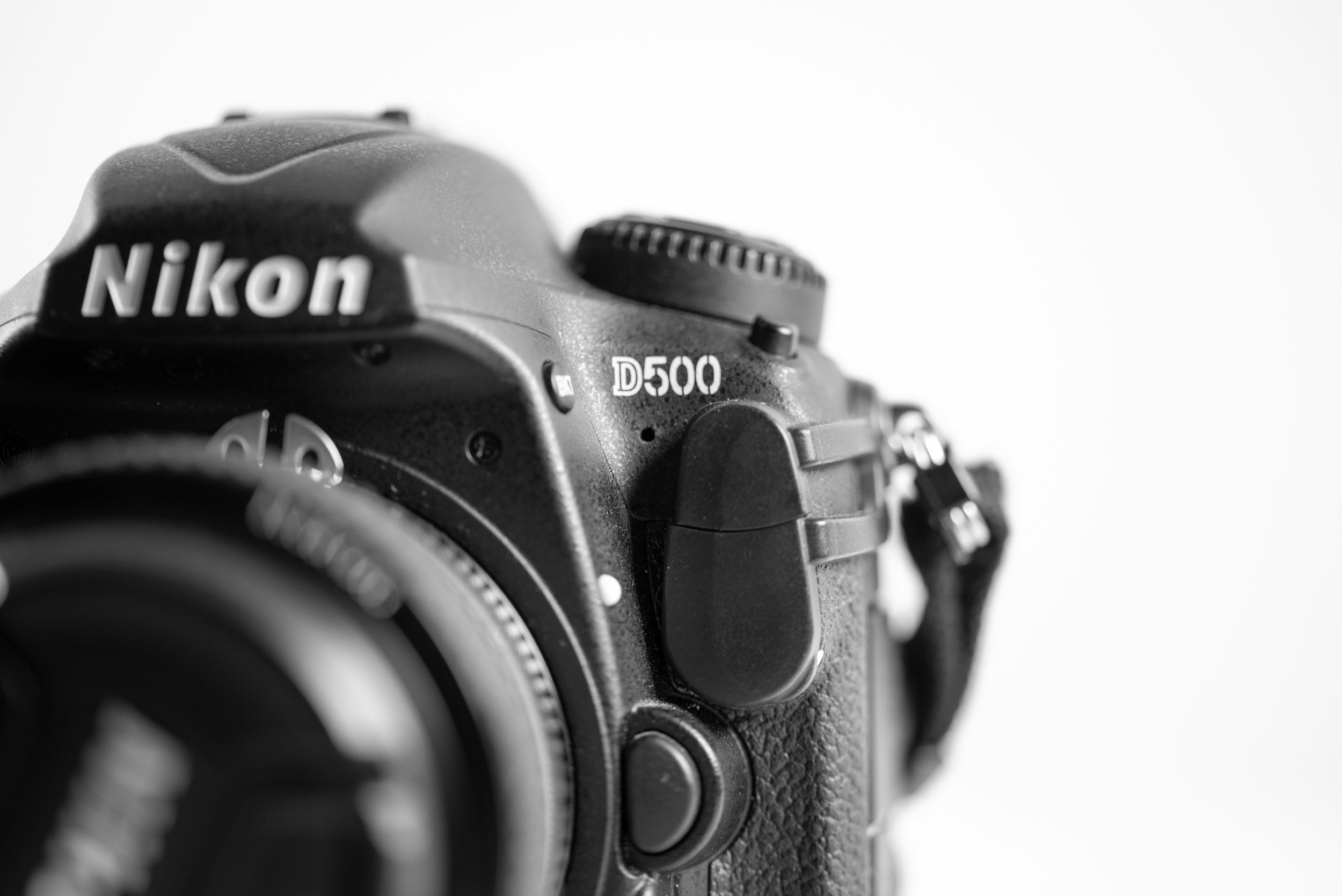
My pride and joy - the Nikon D500. An absolute beast of a camera!
Key specifications — Nikon D500
Sensor: 20.9 MP APS-C (DX) CMOS sensor
ISO range: Native 100–51,200 (expandable to 50–1,640,000 equivalent)
Continuous shooting: 10 fps with full AF/AE tracking
Autofocus: 153-point AF system (99 cross-type points), Advanced Group Area AF, excellent subject-tracking algorithms
Metering: 180k-pixel RGB metering sensor with Advanced Scene Recognition
Video: 4K UHD (3840 x 2160) at 30p/25p/24p, plus slow-motion options at 1080p
Viewfinder: Optical pentaprism, approx. 100% coverage, 0.66x magnification
Rear screen: 3.2-inch tilting touchscreen, 2,359k-dot resolution
Build: Magnesium alloy frame, weather-sealed for demanding outdoor use
Storage: Dual card slots (XQD/CFexpress in later revisions, compatible XQD originally)
Battery life: EN-EL15 battery compatibility; very good real-world performance for long shoots
Connectivity: Built-in SnapBridge (Bluetooth/Wi-Fi) for image transfer and remote control
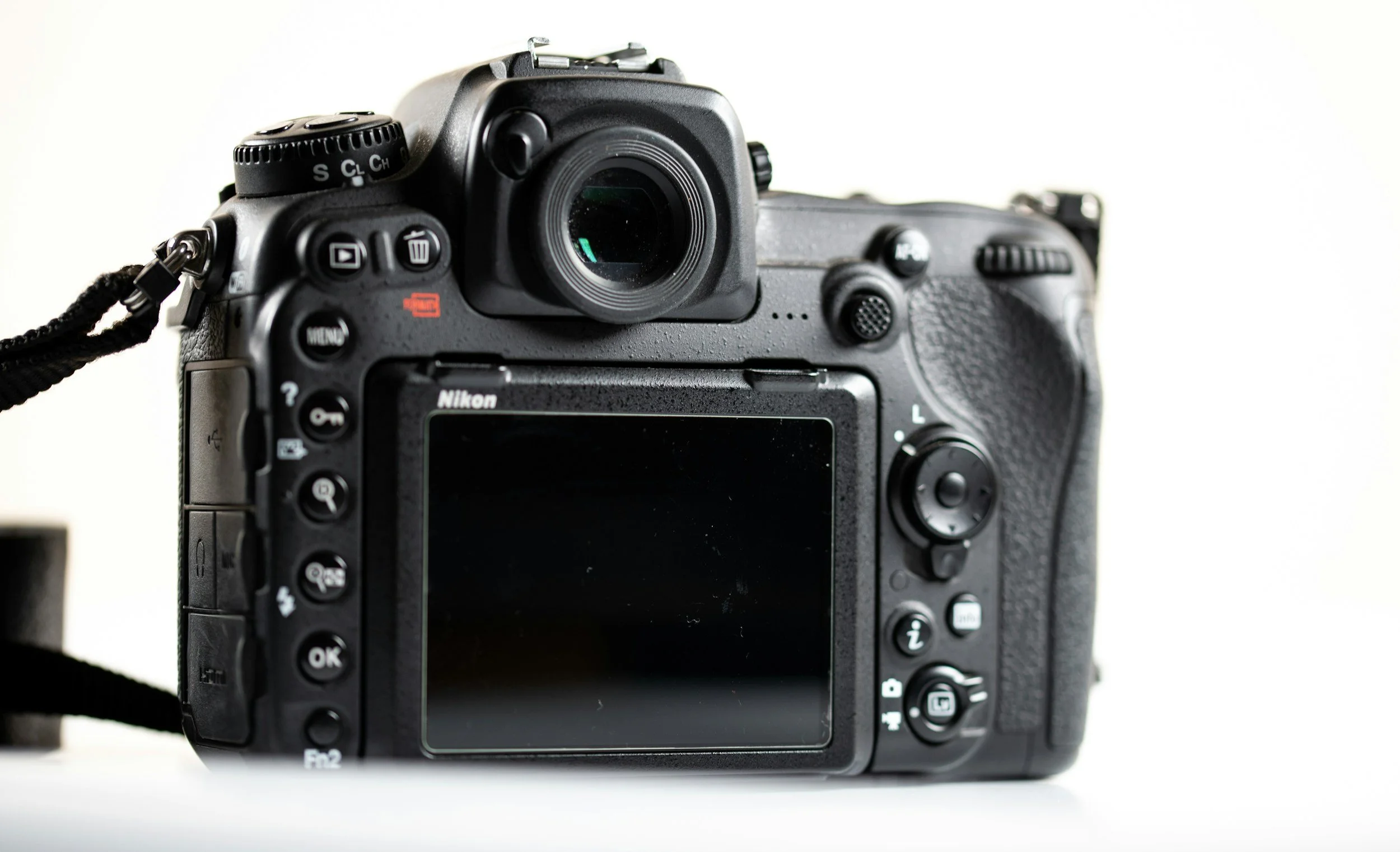
For the very best of a professional camera body with an APS-C sensor - the Nikon D500
Why the D500 is ideal for wildlife and sports
Speed and tracking: 10 fps continuous shooting with full AF/AE and an advanced 153-point AF array gives the D500 a decisive edge when photographing fast-moving subjects. The camera’s subject recognition and tracking capabilities maintain focus on erratic animal movements and athletes in motion.
High-performance autofocus: The dense AF point coverage, many cross-type sensors and Group Area AF provide consistent lock-on performance, even with smaller or erratically moving subjects. This reliability is crucial when using longer telephoto lenses for wildlife.
Crop-sensor advantage: The DX sensor gives a 1.5x focal length multiplier, effectively extending the reach of telephoto lenses — a practical advantage for wildlife photographers who need extra reach without the weight and expense of longer full-frame glass.
Durability and handling: A weather-sealed magnesium alloy body, deep grip and robust controls make it suitable for field conditions and long tracking sessions. The tilting touchscreen helps with low-angle and high-angle shooting without compromising weather resistance.
Low-light and high-ISO performance: While full-frame cameras remain superior at extreme ISO, the D500’s 20.9MP sensor delivers excellent high-ISO performance for a crop sensor, enabling faster shutter speeds in low-light situations like dawn/dusk wildlife activity or indoor sports halls.
Comparisons: D500 vs D7200 vs D3300
Autofocus and speed
D500: 153-point AF, 10 fps — top-tier for action photography.
D7200: 51-point AF, 6 fps — capable but slower, less dense AF coverage.
D3300: 11-point AF, 5 fps — entry-level AF and slower continuous rates; not optimised for demanding action work.
Build and ergonomics
D500: Professional-quality weather-sealing, magnesium alloy.
D7200: Solid build and weather-sealing on a smaller scale; good for serious amateurs.
D3300: Lightweight, plastic body with no weather-sealing; aimed at beginners.
Sensor and image quality
D500: 20.9MP optimised for performance and speed; excellent dynamic range and high-ISO behaviour for a DX sensor.
D7200: 24.2MP sensor with strong image quality and excellent dynamic range — very good stills performance.
D3300: 24.2MP sensor as well, but with fewer features and lesser noise-control algorithms compared to higher-tier models.
Video
D500: 4K UHD video — useful for modern hybrid shooters.
D7200: 1080p up to 60p — solid but lacks native 4K.
D3300: 1080p up to 60p — basic video functionality.
Controls and customisability
D500: Extensive custom controls, faster buffer clearing with XQD/CFexpress, dual card
What’s the verdict?
In brief, the Nikon D500 is the best camera I have ever owned! I picked my copy up for £555 from a well-known high-street and online retailer, which has stores across the northwest of England. It was an absolute steal in good condition and had only 75K clicks on the shutter (rated for 200K).
I can also highly recommend mpb.com - “the largest global platform to buy, sell and trade used photo and video kit.”
The biggest advancement has been its outstanding autofocus system, which is identical to that found in the significantly more expensive full-frame Nikon D5. The Nikon D500 is delivering great results for me in capturing those fleeting moments that my previous bodies had a hard time locking on to. My GAS (Gear Acquisition Syndrome) may well have been cured, at least insofar as camera bodies are concerned, as I don’t think I’ll be feeling the urge to upgrade again any time soon.
Disclaimer: This post contains AI-generated content from Squarespace AI and has been reviewed/edited by a human. Such content is for informational purposes only and should not be considered professional advice or relied upon for accuracy. Cast a Light Photography© disclaims any and all liability for any errors or omissions in the content produced by AI technology and advises that users exercise caution when relying on such content. No copyright infringement is intended. I do not own nor claim to own the rights to AI-generated text or stock imagery. I have no affiliation with any of the brands or businesses mentioned in this blog post. All opinions are my own and reflect my favourable experiences. Readers are advised to exercise their own judgement when buying, selling and trading equipment.